
The relationship between golf and calorie expenditure has fascinated researchers, fitness professionals, and players alike for decades. While golf might not immediately spring to mind when discussing high-intensity workouts, this centuries-old sport delivers surprising cardiovascular and muscular benefits that rival many traditional fitness activities.
So, does golf burn calories? Yes, golf burns a substantial number of calories, but the exact amount depends on numerous factors that most golfers never consider. Understanding how golf affects your body’s energy expenditure can transform how you approach both your game and your overall fitness regimen.
The Science Behind Calorie Burning in Golf
Before diving into specific numbers, we need to understand what happens inside your body during a round of golf. Calorie burning, scientifically known as energy expenditure, occurs through three primary mechanisms during golf: basal metabolic rate, physical activity, and the thermic effect of food digestion.
When you play golf, your body engages multiple muscle groups simultaneously. Your core stabilizes your trunk during the swing, your legs propel you across varying terrain, your arms control the club through complex movement patterns, and your cardiovascular system works continuously to deliver oxygen to working muscles.
This multi-system engagement explains why golf burns more calories than many people initially assume.
Understanding MET Values in Golf
Metabolic Equivalent of Task (MET) provides a standardized way to measure the energy cost of physical activities. One MET equals the energy you expend sitting quietly, which is approximately 1 calorie per kilogram of body weight per hour. Golf activities range from 3.5 to 5.5 METs depending on how you play.
Walking while carrying your clubs registers at approximately 5.5 METs, placing it in the moderate-intensity activity category alongside activities like leisurely cycling or ballroom dancing. Using a push cart drops you to about 4.5 METs, while riding in a motorized cart reduces the intensity to roughly 3.5 METs—still above resting levels but significantly lower than walking.
These MET values translate directly into calories burned through a straightforward formula: Calories Burned = MET × Weight (kg) × Duration (hours). This scientific framework allows us to calculate precise estimates based on your individual characteristics rather than relying on vague generalizations.
Does Golf Burn Calories – How Many Calories Does Golf Actually Burn?
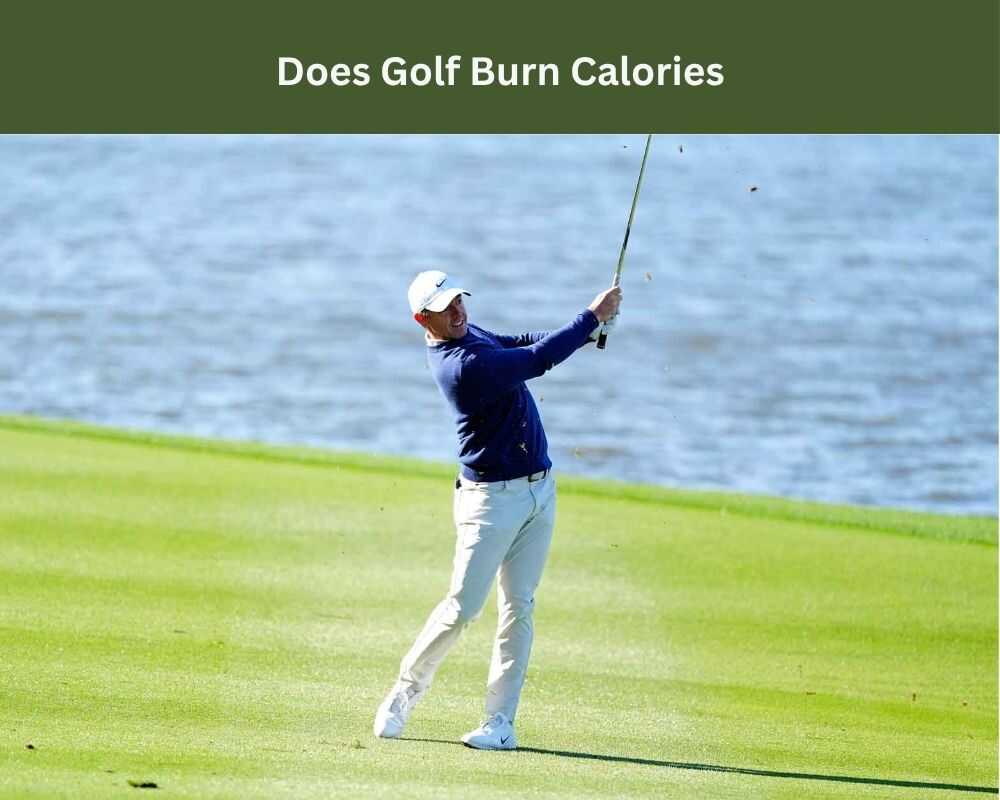
The calorie-burning potential of golf varies dramatically based on several interconnected factors. Research indicates that an average golfer burns anywhere from 600 to 2,000 calories during a standard 18-hole round. This wide range reflects the substantial differences in playing styles, course characteristics, and individual physiology.
Calorie Burn by Body Weight
Your body weight significantly influences how many calories you burn playing golf. Heavier individuals require more energy to move their mass across the course, resulting in higher calorie expenditure. Here’s a detailed breakdown:
| Body Weight | Walking with Carry Bag (per hour) | Walking with Push Cart (per hour) | Riding in Cart (per hour) |
|---|---|---|---|
| 130 lbs (59 kg) | 250-290 calories | 210-250 calories | 150-180 calories |
| 155 lbs (70 kg) | 295-340 calories | 250-295 calories | 180-210 calories |
| 180 lbs (82 kg) | 340-390 calories | 290-340 calories | 210-240 calories |
| 205 lbs (93 kg) | 385-440 calories | 330-385 calories | 240-270 calories |
| 230 lbs (104 kg) | 430-490 calories | 370-430 calories | 270-300 calories |
These figures assume a typical four-hour round played at a moderate pace. Notice how a 230-pound golfer walking and carrying burns nearly double the calories of a 130-pound golfer riding in a cart—this dramatic difference underscores why personalized estimates matter more than generic averages.
1. Playing Methods and Their Impact on Calorie Expenditure
Walking vs. Riding: The Calorie Burning Showdown
The single most impactful decision affecting your calorie burn on the golf course happens before you even tee off: choosing whether to walk or ride. This choice creates a calorie expenditure gap so significant that it essentially determines whether you’re engaging in moderate-intensity exercise or light physical activity.
The Walking Advantage
Walking an 18-hole golf course typically covers between 4 to 6 miles (6.4 to 9.7 kilometers), depending on the course layout and your accuracy off the tee. For those unfortunate enough to spray drives into adjacent fairways—and let’s be honest, we’ve all been there—that distance can easily extend to 7 or even 8 miles. This substantial distance accumulation translates into 10,000 to 15,000 steps, comfortably exceeding the often-cited daily goal of 10,000 steps.
When you walk the course, your cardiovascular system remains engaged throughout the round. Your heart rate elevates and sustains at a level that promotes cardiovascular health without reaching exhaustive intensity. This sustained moderate activity proves particularly beneficial for improving aerobic capacity and endurance over time.
Research conducted by the Scandinavian Journal of Medicine & Science in Sports found that golfers who walked courses regularly showed improved cardiovascular markers compared to those who exclusively rode in carts. The walking group demonstrated lower resting heart rates, improved cholesterol profiles, and better blood pressure readings after just twelve weeks of regular play.
The Cart Conundrum
Riding in a motorized cart reduces your calorie burn by approximately 40-50% compared to walking. However, this doesn’t mean cart golf provides zero fitness benefits. You’re still performing the golf swing—a complex athletic movement that engages your core, shoulders, arms, and legs. You’re also walking short distances to and from the cart, navigating around greens, and standing rather than sitting for significant portions of your round.
A typical cart round still burns 600-900 calories for an average-weight golfer, which exceeds the calorie expenditure of many sedentary activities. The challenge lies in the intermittent nature of the activity. Your heart rate spikes briefly during shots and short walks, then drops during cart rides between shots. This pattern provides less cardiovascular benefit than the sustained elevation achieved through walking.
Not all walking is created equal on the golf course. Your equipment transport method significantly affects both calorie burn and physical strain:
Interestingly, research from the University of Edinburgh found that golfers using push carts actually burned slightly more calories than those carrying bags in some circumstances. The reason? Carrying heavy bags often forced players to take more frequent breaks and move more slowly, while push cart users maintained consistent pace throughout their rounds. Additionally, the upper body fatigue from carrying can compromise swing mechanics and overall performance.
2. Course Terrain: Nature’s Variable Resistance Training
Golf courses are not created equal when it comes to calorie expenditure. The topography, layout, and environmental features of a course can swing your calorie burn by 15-30% in either direction.
Elevation Changes and Hill Climbing
Walking uphill requires significantly more energy than traversing flat ground. For every 100 feet of elevation gain during your round, you can expect to burn an additional 30-50 calories, depending on your body weight and the grade of the incline. Mountain courses with substantial elevation changes can add 200-400 calories to your total expenditure.
Courses built on hilly terrain engage your leg muscles more intensively, particularly your quadriceps, hamstrings, and calves. Uphill walks recruit your glutes and hip flexors more aggressively, while downhill sections challenge your stabilizing muscles and require controlled eccentric muscle contractions. This varied muscle engagement provides superior conditioning compared to flat courses.
Consider the difference between playing Pebble Beach Golf Links in California, with its relatively moderate elevation changes along the coastline, versus tackling Crans-sur-Sierre in Switzerland, where the course sits at 5,000 feet elevation with dramatic ups and downs. The Swiss mountain course could easily add 300-400 calories to your burn compared to the coastal California layout.
Course Design Features That Increase Energy Expenditure
Beyond obvious elevation changes, several course design elements significantly impact your calorie burn:
Lengthy Green-to-Tee Walks: Some courses, particularly older designs, feature substantial distances between holes. These extended walks between action keep your heart rate elevated and add considerable distance to your round. Modern courses sometimes position the next tee box near the previous green for convenience, but this reduces overall walking distance and calorie burn.
Expansive Fairway Corridors: Courses with wide-open fairways often tempt golfers to spread out across the hole’s width, especially when playing from different tee boxes. This lateral movement adds extra steps that narrow, tree-lined courses don’t require.
Strategic Bunker Placement: Heavily bunkered courses force players to navigate around hazards, climb in and out of sand traps, and occasionally take circuitous routes to their balls. Each bunker visit adds 15-30 steps and requires climbing and descending sandy slopes.
Rough Terrain and Natural Areas: Courses incorporating native grasses, natural waste areas, or rugged landscapes demand more energy to traverse. Your legs work harder on uneven surfaces, and searching for errant shots in thick rough burns additional calories through the physical effort of looking and the extra steps required.
3. Environmental Factors: Weather’s Hidden Influence
Temperature and weather conditions subtly but measurably affect your calorie expenditure during golf:
Playing in cold weather triggers thermogenesis, where your body burns extra calories generating heat to maintain its core temperature. Conversely, hot conditions elevate your heart rate as your cardiovascular system works overtime pumping blood to your skin for cooling. Both scenarios increase total energy expenditure, though cold weather typically produces the larger effect.
4. Different Golf Formats and Their Caloric Impact
Not all golf experiences deliver the same fitness benefits. The format you choose—whether a full 18-hole championship round, a quick nine holes after work, or an indoor simulator session—dramatically alters your calorie expenditure and overall physical engagement.
18-Hole Championship Round
The standard 18-hole round represents golf’s full caloric potential. Lasting approximately 4 to 4.5 hours when walking, this format provides sustained moderate-intensity activity that falls squarely within exercise guidelines recommended by health organizations worldwide. The extended duration allows your body to shift into fat-burning mode after depleting readily available glycogen stores, typically occurring 45-60 minutes into continuous activity.
Walking 18 holes creates a cumulative training effect that shorter formats cannot replicate. Your cardiovascular system adapts to sustained demand, your muscular endurance develops through repetitive movement patterns, and your body learns to manage energy efficiently over extended periods. This endurance component separates golf from shorter, more intense workouts.
9-Hole Rounds: The Efficient Option
Nine-hole golf has surged in popularity as time-constrained players seek efficient ways to enjoy the game. A nine-hole walking round typically burns 400-800 calories over 2 to 2.5 hours, depending on your body weight and playing method.
While nine holes burns roughly half the calories of a full round, it offers unique advantages for fitness-focused golfers. The shorter duration allows for higher intensity play—you can walk more briskly between shots without worrying about fatigue on the back nine. Some golfers play nine holes twice weekly rather than one 18-hole round, potentially increasing their total weekly calorie burn and frequency of physical activity.
Strategies to Maximize Your Calorie Burn on the Golf Course
While golf inherently provides moderate physical activity, strategic choices can substantially increase your energy expenditure without compromising your enjoyment or performance. These evidence-based approaches help you extract maximum fitness benefits from every round.
1. Walking Speed and Pace of Play
Your walking speed between shots significantly impacts total calorie burn. Research from the American Council on Exercise demonstrates that increasing walking pace from 2.5 mph to 3.5 mph increases calorie expenditure by approximately 25-30%. On the golf course, this translates to meaningful differences in energy output.
Slow Pace (2.0-2.5 mph): This leisurely stroll burns approximately 200-240 calories per hour for an average-weight golfer. Players who frequently stop to chat, take extended breaks, or move very deliberately fall into this category.
Moderate Pace (3.0-3.5 mph): The standard walking speed for most golfers burns 280-340 calories per hour. This represents a comfortable, purposeful pace that maintains rhythm without rushing.
Brisk Pace (3.5-4.0 mph): Moving purposefully between shots while maintaining awareness of course etiquette burns 350-420 calories per hour. This pace requires conscious effort but remains sustainable throughout an 18-hole round.
Practical implementation doesn’t mean rushing your pre-shot routine or playing hastily. Instead, focus on maintaining momentum between shots—walk purposefully to your ball, minimize time standing idle, and stay engaged with the pace of play. Many courses now encourage “ready golf” principles that naturally increase walking pace while improving overall playing speed.
2. Strategic Equipment Choices for Enhanced Calorie Burn
Your equipment decisions extend beyond clubs to bags, carts, and accessories that influence physical demand:
Lightweight Carry Bags: Modern carry bags weighing 3-5 pounds (empty) with ergonomic dual straps distribute weight effectively while adding minimal burden. Carrying 15-20 total pounds (bag plus clubs) increases calorie burn by 15-20% compared to using a push cart.
Push Cart Selection: Choose a push cart with larger wheels that roll smoothly across varied terrain. Poor-quality carts with small wheels or stiff mechanisms require more physical effort to push, creating unwanted fatigue rather than productive exercise.
Minimalist Club Selection: Carrying fewer clubs reduces weight and simplifies decisions, though be sure to comply with the 14-club maximum rule. Some recreational golfers play with 7-10 clubs, reducing bag weight by 5-10 pounds and making carrying more feasible.
Proper Footwear: Golf shoes with adequate cushioning and support reduce fatigue and encourage sustained walking pace. Uncomfortable shoes lead to shortened strides, slower pace, and increased likelihood of choosing carts over walking.
3. Course Selection for Fitness-Focused Rounds
When your primary goal includes fitness benefits alongside recreation, certain course characteristics optimize calorie expenditure:
Elevation Profile: Choose courses with rolling hills or significant elevation changes. Mountain courses, links-style layouts with natural dunes, and courses built on varied terrain can increase calorie burn by 15-25% compared to flat alternatives.
Walking-Friendly Layouts: Some courses feature compact routing with short green-to-tee walks, while others spread holes across expansive property. Research course layouts to identify walking-friendly designs that maximize steps without excessive distances that cause fatigue.
Walking-Only Facilities: Some traditional courses restrict or discourage cart usage, creating an environment where walking becomes the norm rather than exception. These facilities often feature ideal walking infrastructure including well-maintained paths and strategic rest areas.
Frequently Asked Questions(FAQs)
Does Golf Count as “Real Exercise”?
Absolutely. Walking golf meets the American Heart Association’s guidelines for moderate-intensity physical activity. The recommendation calls for 150 minutes of moderate-intensity activity weekly—a single 18-hole walking round nearly satisfies this entirely.
The sustained nature, combined with strength elements from swinging, qualifies golf as legitimate exercise that contributes meaningfully to overall fitness.
Can You Lose Weight Playing Golf Regularly?
Golf can support weight loss when combined with appropriate calorie intake. Walking 18 holes 2-3 times weekly burns 2,400-4,500 calories, creating a deficit of approximately 0.7-1.3 pounds weekly if dietary intake remains constant.
However, golf alone rarely produces dramatic weight loss—it works best as one component of a comprehensive approach including nutrition management and potentially additional exercise.
Is Golf Enough Exercise By Itself?
For many adults, particularly those over 50, regular walking golf provides sufficient cardiovascular activity for health maintenance. However, golf lacks significant strength training and doesn’t address all fitness components.
Optimal fitness programming combines golf with 2-3 resistance training sessions weekly, flexibility work, and potentially higher-intensity cardiovascular activities.
How Does Age Affect Calorie Burn in Golf?
Metabolism slows approximately 2-3% per decade after age 30, meaning older golfers burn slightly fewer calories than younger players of the same weight performing identical activities. However, this difference proves minimal—perhaps 50-80 calories per round.
The more significant factor is that older golfers often walk more slowly and take longer to complete rounds, potentially reducing hourly calorie burn but increasing total expenditure through extended duration.
Conclusion
Golf’s calorie-burning potential extends far beyond simple energy expenditure numbers. The sport uniquely combines moderate cardiovascular activity, functional strength development, mental engagement, social connection, and outdoor exposure in a package that remains accessible from childhood through advanced age.
For fitness-focused golfers, strategic choices amplify calorie burn and health benefits: walk rather than ride, carry clubs or use push carts, select challenging courses with elevation changes, maintain brisk pace between shots, and fuel your body appropriately. These optimizations can increase calorie expenditure by 30-50% compared to leisurely cart golf.